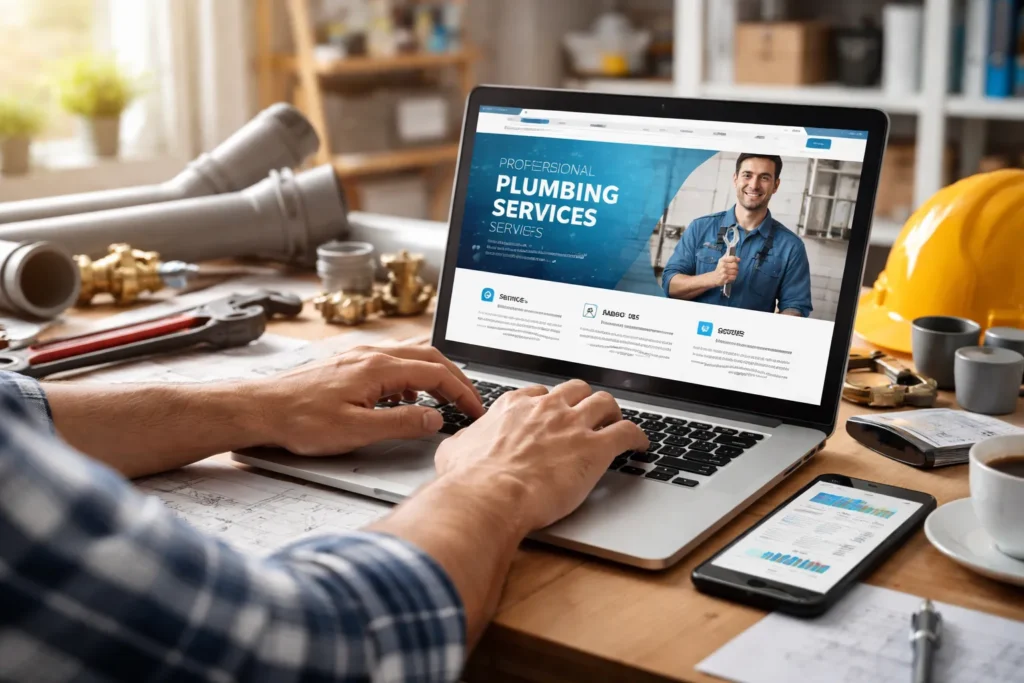

Voice search is changing how customers find HVAC services, especially as smart speakers, mobile assistants, and in-car systems become part of everyday life. Instead of typing short keywords, people now ask full questions like “Who can fix my AC near me?” or “Which HVAC company is open right now?” These longer, conversational searches require a different approach to visibility. Working with an experienced HVAC SEO company helps ensure your business is positioned to appear in voice search results, enabling quick decisions.
Why Voice Search Matters for HVAC Businesses
Voice search is built around urgency, convenience, and local intent. Many HVAC-related searches happen when something stops working, and the homeowner wants immediate help. Search engines prioritize businesses that are easy to understand, easy to contact, and clearly relevant to the user’s request. HVAC companies that rely only on traditional keyword targeting may struggle to surface in these results as search behavior continues to evolve.
An effective SEO strategy prepares your website to align with how people actually speak. This includes answering common service questions, clarifying service areas, and ensuring business information is consistent across search platforms. These elements help search engines confidently match your business to voice-based queries.
How Voice Search Interprets HVAC Service Queries
Voice searches are more specific and intent-driven than traditional searches. Instead of “HVAC repair,” users may ask, “Who offers emergency furnace repair near me?” Search engines look for pages that clearly address these types of questions. Content that mirrors natural language, provides direct answers, and reflects real customer needs is more likely to be selected for voice results.
An HVAC SEO company structures content to align with these conversational patterns. This includes organizing service pages around real customer concerns, using clear headings, and avoiding vague descriptions. The goal is to help search engines quickly understand what your business does and when it should be recommended.
The Role of Local Signals in Voice Search Results
Local relevance plays a major role in voice search. Most spoken HVAC queries include a location component, even if the user does not say the city name directly. Search engines rely on signals like Google Business Profile optimization, accurate business details, and consistent online listings to determine which companies are closest and most relevant.
Optimizing local visibility ensures your HVAC business appears when customers search for nearby services. Clear business hours, defined service locations, and consistent contact details strengthen how search engines evaluate your business for relevant results. This local foundation supports both voice search visibility and broader SEO performance.
Why Website Structure Affects Voice Search Visibility
Voice search favors websites that are easy for search engines to crawl and interpret. Clear page organization, logical navigation, and fast load times all contribute to better visibility. When a website lacks clear structure, search engines can have difficulty identifying the details needed to surface it in voice search results.
An SEO-focused website ensures that key details such as services offered, locations served, and contact options are clearly presented. This structure helps search engines deliver quick, accurate answers when users use voice assistants to find HVAC services.
How Voice Search Favors Businesses With Clear Next Steps
Voice search results often prompt users to take immediate action. When a smart device recommends an HVAC company, it is usually drawing from a source that makes it easy for customers to understand the next steps. Clear calls to action, visible service descriptions, and straightforward contact options help reinforce that clarity.
An effective HVAC SEO company structures website content so search engines can quickly identify booking paths, service availability, and customer intent signals. Pages that clearly explain how to request service, which areas are covered, and which HVAC issues are handled tend to perform better in voice-driven results. This structure helps search engines confidently match spoken queries with businesses ready to serve customers immediately.
As voice search continues to prioritize convenience and speed, HVAC websites that remove friction and guide users toward simple next steps will be better positioned to earn those spoken recommendations.
Further Reading:
- How SEO and PPC Compare for Plumbing Company Marketing
- What Home Service Contractors Can Expect From a Digital Marketing Agency
Building Long-Term Visibility With the Right SEO Partner
Voice search is reshaping how customers find HVAC services, placing greater emphasis on clarity, local relevance, and structured information. Businesses that adapt their websites to match how people speak and search are better positioned to appear in these results. A well-planned SEO approach supports visibility across both traditional and voice-driven searches by reinforcing trust and usability.
Contact Pipe N Flow to learn how working with an HVAC SEO company can help your business get found when customers rely on voice search in 2026 and beyond.